

While natural talent may help a pilot start, it is consistency that builds real skill, safety, and trust. Aviation rewards preparation, discipline, and steady effort over confidence or raw ability. Pilots who show up ready, study regularly, and learn from every flight develop the habits that lead to strong judgment and reliable performance. Over time, consistency becomes the foundation of trust between pilots, instructors, examiners, and passengers, making it one of the most important qualities in aviation.
|
This article is part of Flex Air's award-winning career mentorship programming. Ready to get started on your dream career? 
|
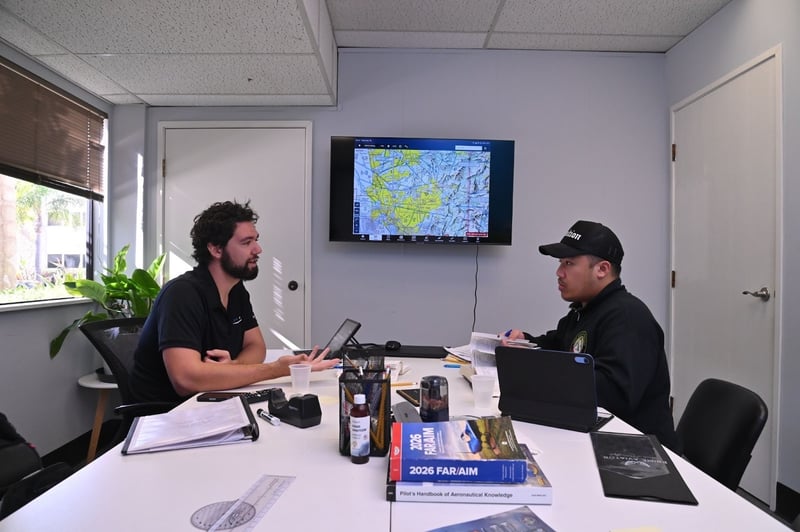
Many people believe the best pilots are simply born with talent. Some seem to understand maneuvers faster, feel more confident early on, or progress quickly at the start of training. While that can help in the beginning, talent only opens the door. Consistency is what actually keeps a pilot moving forward.
In aviation, natural ability means very little without preparation. The pilots who improve the most are the ones who show up ready, even on the difficult days. They study when no one is watching. They review mistakes. They take each lesson seriously instead of just trying to get through it.
Those who rely only on talent eventually hit a wall. Aviation has a way of doing that. Weather, procedures, and checkrides demand humility. Confidence matters, but discipline keeps people safe.
What truly separates pilots is the habits they build. Showing up prepared. Asking questions. Taking responsibility for weaknesses. Fixing small issues before they become big problems. None of that looks impressive from the outside, but over time it becomes the foundation of strong decision-making and sound judgment.
Consistency also builds trust. Instructors notice who takes training seriously. Examiners can tell who prepared. And one day, passengers in the back of the aircraft are trusting their lives to the pilot in the front. That level of trust is not earned through talent. It is earned through effort, repetition, and commitment.
At Flex Air, this philosophy is reflected in the way pilots are trained. Growth does not come from shortcuts or raw ability. It comes from showing up, learning from every flight, and stacking small improvements day after day.
Training this way changes a person. The focus shifts from being perfect to becoming better than yesterday. Pressure becomes manageable. Responsibility becomes part of the mindset, because in the cockpit, every decision matters.
Talent may open the door, but consistency is what keeps the aircraft flying.
About the author: Eddie Erdmann, VP of Strategy and Partnerships at Flex Air, is a retired U.S. Marine Infantryman with over 20 years of leadership and mentoring experience. Holding a Master’s in Executive Leadership from Liberty University, he specializes in veteran transition, aviation education, and team development.
